There is a specific moment in every activist's life when a t-shirt stops being just something you throw on and becomes a badge of intent. I remember the first time I wore a satirical design to a rally. It was a simple image, a cartoon of a politician with a ridiculous slogan underneath. People laughed, then nodded, then started asking where I got it. That shirt opened conversations faster than any flyer I had ever handed out. It taught me something practical: protest art on a t-shirt travels further than a hashtag ever could.
Over the years, I have watched the landscape of activist apparel shift. What used to be confined to punk shows and infoshop bulletin boards now has a real, curated presence online. But building a meaningful protest clothing collection is not about buying every slogan you see. It is about understanding the tools, the materials, and the message behind each piece. A collection should reflect a coherent point of view, not just a scatter of angry slogans.
Why the Medium Matters as Much as the Message
When you wear a political statement, you are using your body as a billboard. That means the quality of the print and the garment matters. I have bought cheap shirts at events that started peeling after one wash. That is not just disappointing, it undermines the message. A faded, cracked design on a low-quality tee suggests the cause itself is disposable. That is the opposite of what we want to communicate.
This is where silkscreen printing comes into play. It is a durable, classic method that holds up to repeated wear and washing. Many small-batch producers still use water-based inks that do not crack or fade quickly. When you are curating a protest clothing collection, look for pieces made with silkscreen printing. It signals that the maker cares about longevity, both of the shirt and of the movement it represents.
Fabric choice also matters. Organic cotton and fair trade production are not just buzzwords. They align with the values of social justice and democracy. If you are advocating for a better world, the way your clothes are made should reflect that. I have seen collections that pair bold satirical designs with organic cotton blanks, and the combination feels honest. It closes the gap between the message on the chest and the hands that stitched the hem.
Building a Collection with Intent
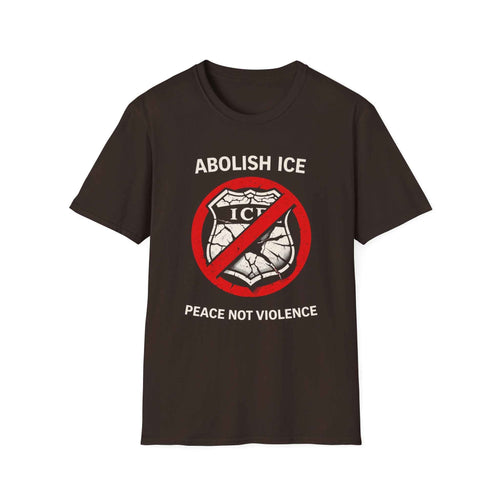
A thoughtful protest clothing collection is more than a pile of tees. It is a curated set of statements that work together. I have found that the most effective collections balance humor, anger, and solidarity. A shirt that makes people laugh can open a door; a shirt that calls out injustice can keep that door from closing.
Here is a practical way to think about it:
- Start with a core theme, like free speech or civil liberties. Let that anchor your choices.
- Add variety in tone: one shirt with a direct, confrontational message, another with a more ironic or satirical design.
- Include at least one piece that shows solidarity with a specific group or cause, not just a general sentiment.
- Consider the fit and cut. A well-fitting shirt gets worn more often. If it sits in the drawer, it is not making any statement.
- Think about color. Black is classic, but a bright shirt can stand out in a crowd and signal confidence.
I have also learned that a good collection does not have to be large. Five or six carefully chosen pieces can be more powerful than twenty random ones. Each shirt earns its place by being something you would actually wear to a march, a city council meeting, or even just the grocery store. Because protest does not end when the rally is over. It continues in everyday life.
The Role of Satirical Design in Political Wear
Satirical design has a long history in counterculture and resistance movements. It works because it disarms people. A direct attack can make someone defensive, but a well-crafted joke sneaks past their guard. I have seen people laugh at a satirical design, then pause, then ask what it means. That pause is gold. It is the moment when a political statement becomes a conversation.
In my experience, the best satirical designs are specific. They target a policy or a person, not a vague idea. They use irony to highlight hypocrisy. And they do not rely on profanity to land the punch. Cleverness lasts longer than shock value. When you are assembling a protest clothing collection, look for designs that reward a second look. The ones that make you grin and think at the same time.
This kind of protest art also serves as a form of anger management. Let me explain. When you are angry about an injustice, wearing a shirt that says something sharp and funny can channel that anger into something productive. It turns frustration into communication. Instead of yelling at a screen, you are walking through the world with a message that others can see and respond to. It is a small act of resistance that stays with you all day.
Free Speech, the First Amendment, and What You Wear
The right to dissent is protected by the First Amendment, and wearing a shirt with a political message is a classic exercise of that right. Courts have long recognized that clothing can be a form of symbolic speech. That is why the debate over what you can and cannot wear in certain spaces keeps coming up. It matters because clothes are powerful.
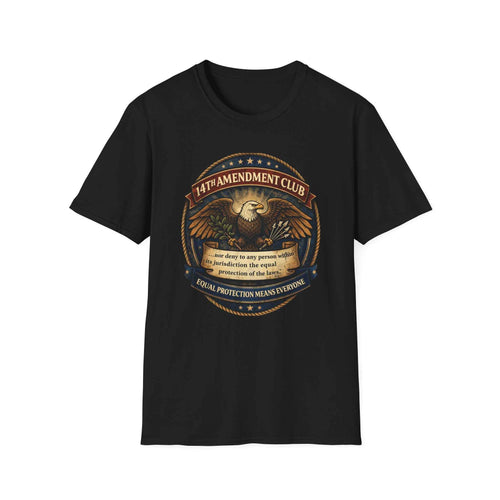
When you build a protest clothing collection, you are participating in that tradition. You are claiming your right to make a political statement in a public space. That is not just about fashion. It is about democracy. Every time someone wears a shirt that challenges authority, they are saying that the public square belongs to everyone, not just those in power.
I have seen collections that explicitly reference the First Amendment and the history of free speech in the United States. They tie the personal act of getting dressed to a larger legal and cultural framework. That kind of depth makes the collection feel less like merchandise and more like a toolkit for civic life.
Beyond T-Shirts: Adding Coffee and Community to the Mix
A protest clothing collection does not have to stop at apparel. I know several activists who pair their shirt purchases with a cup of coffee, literally. Some collections now include fair trade coffee as part of the offering. It makes sense. Coffee is a ritual for many people, and it can be another way to support fair trade and build solidarity. Drinking a cup of coffee while wearing a shirt that defends civil liberties creates a small, consistent practice of resistance.
The connection between coffee and activism is not random. Coffeehouses have been meeting places for dissidents for centuries. Adding coffee to a protest clothing collection extends the idea of resistance into daily life. It is a reminder that the work of building a better society happens in small moments, not just on big stages.
I have also found that sharing a cup of coffee with someone while wearing a satirical design can break the ice in a way that a handshake cannot. It creates a shared experience. And in a world that feels increasingly divided, that kind of low-key solidarity matters.
Practical Tips for Curating Your Own Collection
If you are starting your own protest clothing collection, here is what I have learned from trial and error:
- Buy from sources that align with your values. Look for organic cotton and fair trade production. It keeps the message consistent.
- Support small artists and printers. A lot of the best protest art comes from individual designers, not big companies. Seek them out.
- Wear your collection. A shirt in a drawer is a shirt that is not doing its job. Rotate your pieces so they get seen.
- Do not be afraid to repeat a message. If a design resonates, buy a backup. You will wear it out.
- Use your collection to start conversations. When someone asks about your shirt, tell them why you chose it. That is the real point.
I have also found that the best collections grow slowly. They reflect your evolving understanding of social justice and your own role in it. A shirt you bought five years ago might feel different now. That is okay. It is a record of where you have been and what you have stood for.
Final Thoughts on Protest Wear and Patriotism
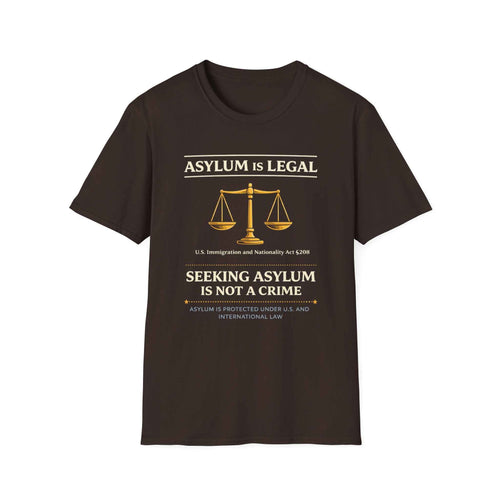
There is a certain kind of patriotism that comes from holding your country to its highest ideals. Wearing a shirt that criticizes a government policy is not unpatriotic. It is an act of love for the idea of democracy. The right to dissent is part of what makes the system work. A protest clothing collection is a tangible expression of that love.
I have worn shirts that got me stared at, and shirts that got me high-fived. Both reactions are fine. The point is to be in the conversation. And in a time when so much of our political life happens on screens, wearing a physical statement reminds us that democracy is still a face-to-face endeavor. It happens on sidewalks, in coffee shops, at bus stops. A good protest clothing collection equips you for that.
So whether you are buying your first t-shirt or adding to a well-worn drawer, think about what each piece says. Think about how it fits into your life and your values. And wear it with the knowledge that you are part of a long tradition of people who used their clothes to speak truth to power.